




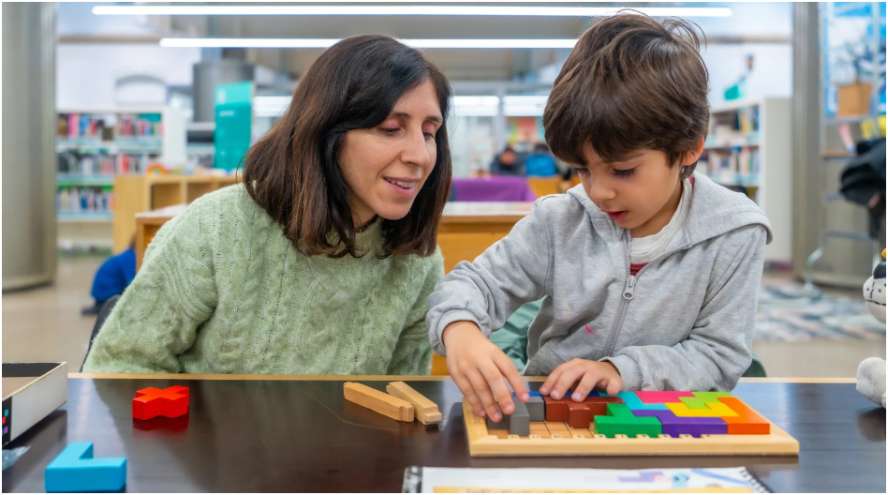
A child’s brain develops fastest in the first five years, forming millions of neural connections every second. These connections build the foundation for future cognitive abilities, emotional resilience, and physical health. Because of this rapid growth, a child’s early environment has a profound and lasting impact on their life.
Benefits of Quality Early Childhood Education
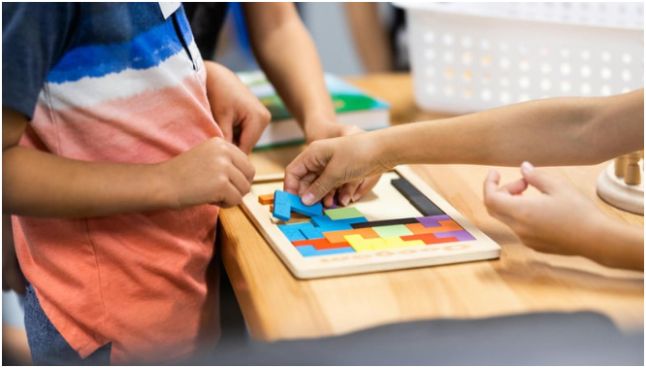
Enrolling a child in a high-quality early learning program yields advantages that extend far beyond their toddler years.
Cognitive Development
Young children are naturally curious. Early childhood programs harness this curiosity by introducing activities that promote language acquisition and problem-solving skills.
Through interactive storytelling, singing, and guided conversations, children rapidly expand their vocabularies. They also learn basic math and science concepts by sorting objects, observing weather patterns, and figuring out how different shapes fit together.
Social-Emotional Development
Learning to navigate social situations is a massive milestone for toddlers and preschoolers. In a classroom setting, children practice sharing resources, taking turns, and resolving minor conflicts with their peers. They develop empathy by recognizing the emotions of others.
Teachers also help them build self-regulation skills, teaching them how to process big feelings and calm themselves down when they feel frustrated.
School Readiness and Long-Term Academic Success
Children who participate in early education programs typically transition into kindergarten with greater ease. They already understand classroom routines, know how to listen to a teacher, and possess the foundational skills needed for reading and writing.
Research consistently shows that these early advantages translate into higher graduation rates and better academic performance throughout their formal schooling.
Key Components of an Effective Early Childhood Program
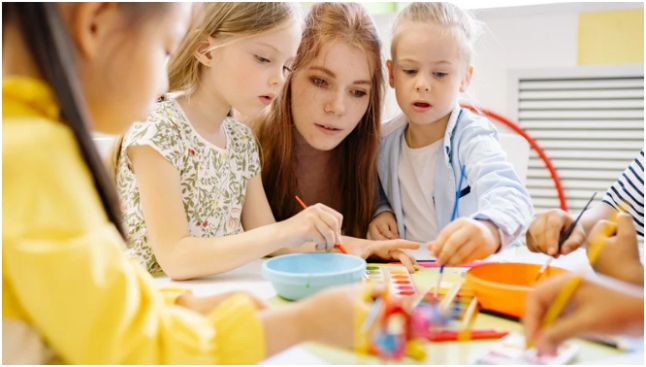
Not all early learning environments are created equal. The most successful programs share several fundamental characteristics.
Qualified Educators and Staff
The quality of an education program relies heavily on the people running it. Effective educators possess specialized training in early childhood development. They understand age-appropriate milestones and know how to tailor their teaching methods to accommodate different learning styles.
Age-Appropriate Curriculum and Activities
A strong curriculum focuses on the whole child. It balances cognitive tasks with physical movement and creative expression. Activities should challenge children without overwhelming them, ensuring that they feel capable and confident as they learn new skills.
Safe, Nurturing, and Stimulating Environment
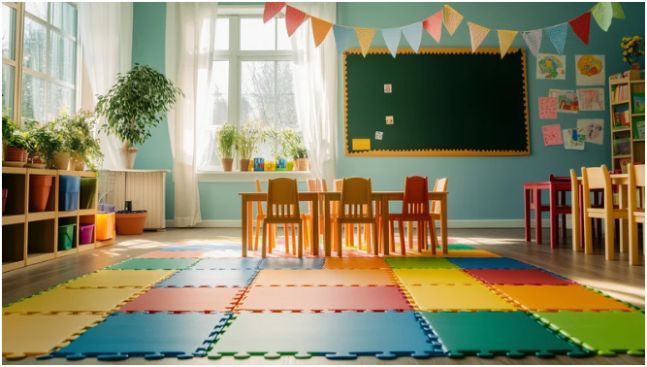
Children need to feel physically safe and emotionally secure before they can focus on learning. Classrooms should be clean, organized, and filled with accessible learning materials. A nurturing atmosphere encourages children to ask questions, make mistakes, and explore their surroundings without fear of harsh judgment.
Parental Involvement and Communication
The best early childhood programs act as partners with parents. Regular communication ensures that a child’s learning continues seamlessly at home. Teachers should provide updates on a child’s progress, share behavioral observations, and offer suggestions for activities families can do together.
Choosing the Right Early Childhood Program
Selecting the right program requires careful thought and research. Every child is unique, and a setting that works perfectly for one family might not suit another.
Different Types of Programs
Parents have several options when it comes to early education. Preschools typically focus heavily on kindergarten readiness for three- and four-year-olds. Daycares often accept infants and toddlers, providing full-day care for working parents.
You might be looking for a Montessori school, a play-based cooperative, or even a highly-rated daycare in Taylorsville to keep your commute simple. Home-based programs offer smaller group sizes in a residential setting, which can feel less intimidating for shy children.
Factors to Consider
When touring facilities, pay attention to the educational philosophy of the center. Ask about the student-to-teacher ratio, as smaller class sizes generally allow for more individualized attention. Check the program’s accreditation status and state licensing records to ensure they meet strict safety and educational standards.
Addressing Common Concerns and Misconceptions
Parents often grapple with anxiety when deciding to enroll their children in early education programs.
Is it too early for formal education?
Many parents worry that early education forces children to grow up too fast. However, high-quality programs do not force toddlers to sit at desks and complete worksheets. Instead, they introduce concepts organically through guided exploration. The goal is to foster a love of learning, not to rigidly drill academic facts.
The balance between play and structured learning
Another common misconception is that a focus on early education leaves no room for fun. In reality, the best programs blur the line between learning and play. Structured activities and relaxing hobbies for nature-loving kids are designed to be highly engaging, and children are given plenty of free time to pursue their own interests within a safe environment.
The Role of Play in Early Childhood Education
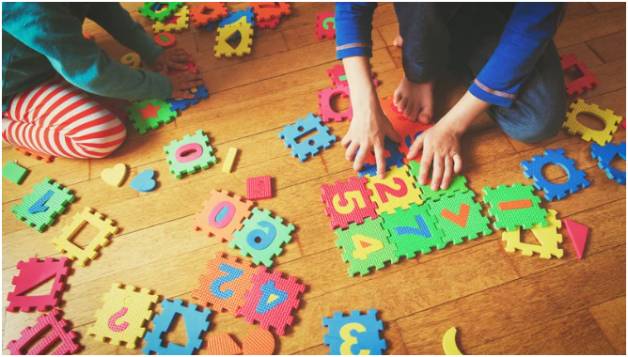
Play is the primary mechanism through which young children learn about the world.
How play supports learning across domains
When children engage in active play, they develop fine and gross motor skills. When they negotiate the rules of a game with friends, they practice complex social and communication skills. Play allows children to test boundaries, experiment with cause and effect, and use their imaginations to solve problems, to move forward with confidence in life.
Examples of purposeful play activities
Educators use purposeful play to teach specific concepts. Building with wooden blocks introduces basic engineering and geometry. Dramatic play areas, like a pretend grocery store, help kids practice math and expand their social vocabulary. Sensory bins filled with sand or water encourage scientific observation and tactile exploration.
Conclusion
A strong educational foundation is crucial for a child’s development. Quality early learning programs promote cognitive growth, social-emotional resilience, and future academic success by using qualified educators, engaging curricula, and play-based learning.