





Water is the foundation of life, yet many homeowners operate under the assumption that the water flowing from their tap is perfectly safe because it has been treated by a municipal system. While public utilities do an excellent job of meeting minimum safety standards, the water’s long journey to your glass can introduce various contaminants.
From aging public infrastructure and pipe breaks to the plumbing within your own home, water quality is not guaranteed. Taking proactive steps with a purification system is essential not only for your family’s health but also for the longevity and efficiency of your home’s critical appliances.
The Essential Case for Water Purification
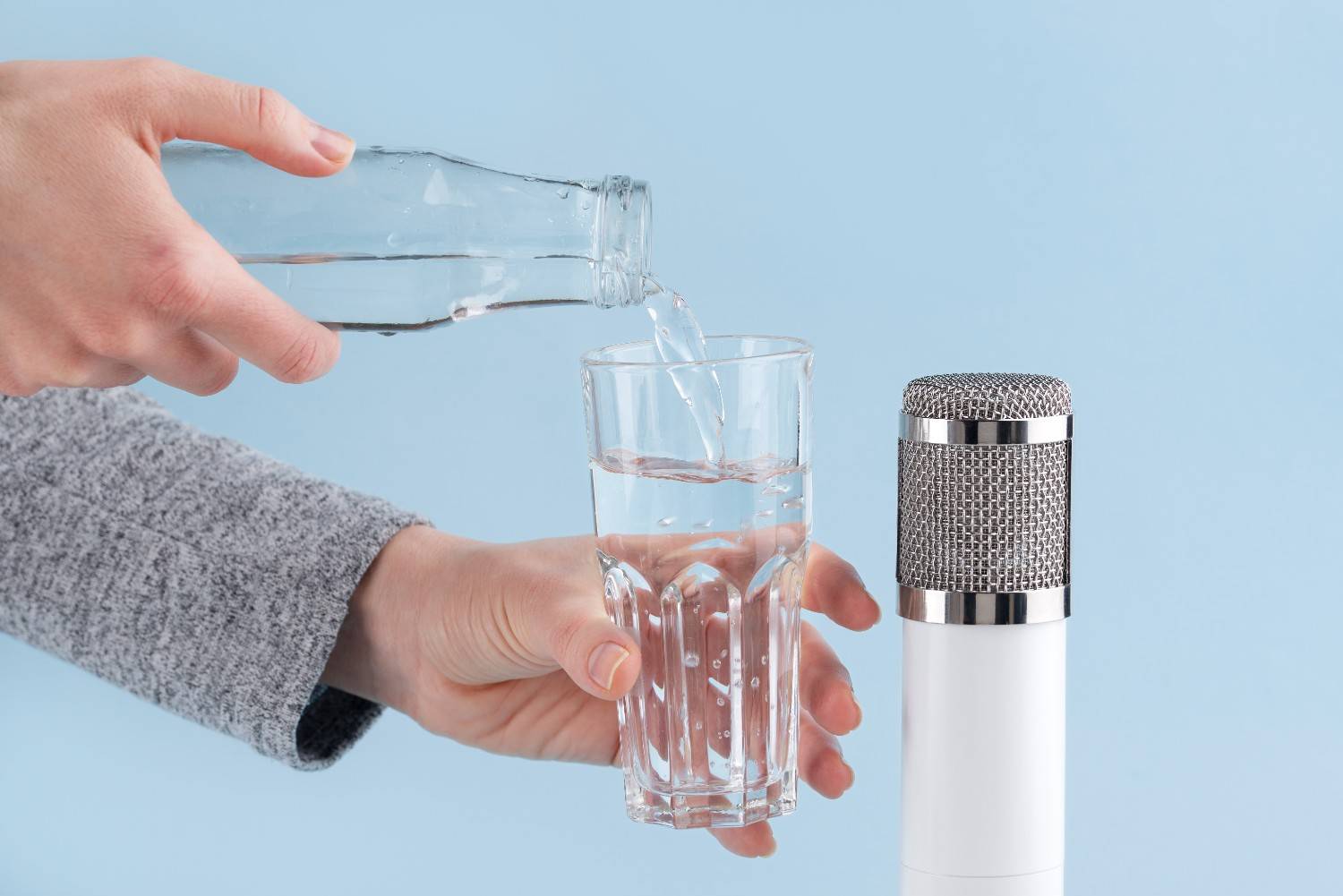
The benefits of filtering your home’s water extend across health, finances, and day-to-day comfort. Understanding why water quality matters is the first step toward choosing the right solution.
1. Protecting Your Health: The primary concern for any household is the presence of unseen threats. Water can carry a range of impurities, including heavy metals like lead, mercury, and arsenic (often leached from old pipes or natural deposits), agricultural run-off chemicals such as pesticides, and even microbiological contaminants like bacteria, viruses, or parasites.
For children, seniors, or those with compromised immune systems, the removal of these pollutants is a non-negotiable aspect of health. Clean water is vital for proper hydration and supports everything from cognitive performance to organ function.
2. Saving Your Appliances and Budget: High concentrations of minerals, specifically calcium and magnesium, lead to what is known as “hard water”. Hard water causes limescale buildup in everything it touches: pipes, water heaters, coffee makers, and dishwashers.
This buildup forces appliances to work harder, dramatically reducing their efficiency, increasing energy consumption, and leading to costly repairs or premature replacements. A quality filtration system can help extend the life of these major investments by reducing scale and sediment.
3. Improving Taste and Odor: Beyond safety, purification delivers a superior drinking experience. Municipal treatment often uses chlorine or chloramines to disinfect water, which can result in a taste and smell akin to a swimming pool. Filtration systems are highly effective at removing these chemicals, resulting in water that is crisp, clean, and refreshing.
This improvement encourages better hydration habits and enhances the flavor of food and beverages prepared with water, such as coffee, tea, and soup.
How to Choose the Right System for Your Home
The market offers a wide variety of purification methods, making the selection process overwhelming. The “best” system is the one that directly addresses the specific challenges of your home’s water supply.
Step 1: Identify Your Specific Water Needs
The first crucial step is knowledge. You cannot fix a problem you haven’t identified. Start by obtaining your annual Consumer Confidence Report (CCR) from your local utility, which details contaminants found in the municipal supply. For a more precise understanding of the water quality inside your home, professional testing is recommended.
A certified lab can test your tap water for a wide range of specific contaminants, highlighting issues like high lead levels or extreme mineral hardness to guide your choice.
Step 2: Evaluate Purification Technologies

Based on your water test results, you can select the appropriate technology.
- Activated Carbon Filters: These use adsorption to trap impurities, excelling at removing chlorine and improving taste and odor. They are cost-effective and easy to install but typically do not remove inorganic pollutants like arsenic or fluoride.
- Reverse Osmosis (RO): Considered the gold standard, RO systems force water through a semipermeable membrane with tiny pores, blocking a wide range of dissolved solids, salts, heavy metals, and microorganisms. They provide bottled-water quality from the tap.
- Ion Exchange/Water Softening: This method is specifically designed to combat hard water by replacing calcium and magnesium ions with sodium or potassium ions. This is particularly necessary in regions with high mineral content. For example, a homeowner grappling with significant limescale might require a soft water system in Utah to manage the geological hardness often found in the rocky regions of the West.
- UV Purification: These systems use ultraviolet light to neutralize biological contaminants like bacteria and viruses, making them ideal for well-water users. They are chemical-free but must be paired with other filters to remove particles and chemicals.
Step 3: Determine Scope and Maintenance
Decide whether you need Point-of-Use (POU) systems, which treat water at a single location (like an under-sink unit or showerhead), or a Point-of-Entry (POE) or whole-house system, which treats all water entering the home. Whole-house systems are necessary for combating hard water and sediment throughout the plumbing and appliances.
Finally, factor in maintenance commitments. Every system requires regular filter changes to run efficiently; an old filter can stop working or, worse, become a breeding ground for bacteria. Ensure your budget accounts for the ongoing cost of replacing components and periodic system inspections.
By understanding the impurities in your water and matching them to the right purification technology, you can make a simple, impactful change that guarantees your family continuous access to clean, safe, and great-tasting water.