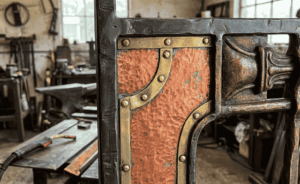




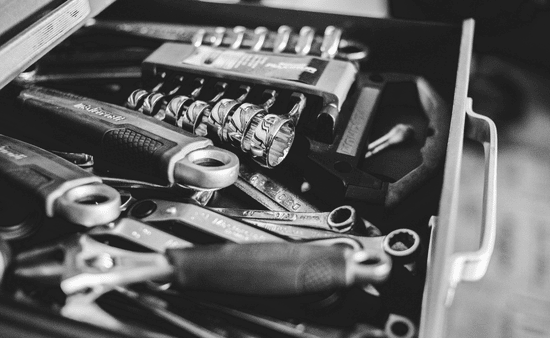
Entering the world of metalworking is an exciting transition from working with softer materials to mastering the strength and permanence of steel, aluminum, and copper. Unlike woodworking, where mistakes can often be sanded away, metalworking requires a higher level of precision and a specialized set of instruments designed to handle extreme heat and density.
For those beginning their journey, the sheer variety of machinery available can be overwhelming. However, building a functional shop does not require an industrial warehouse. By focusing on ten foundational tools, a beginner can create a versatile workspace capable of producing everything from structural brackets to decorative art.
Foundational Cutting and Shaping Tools
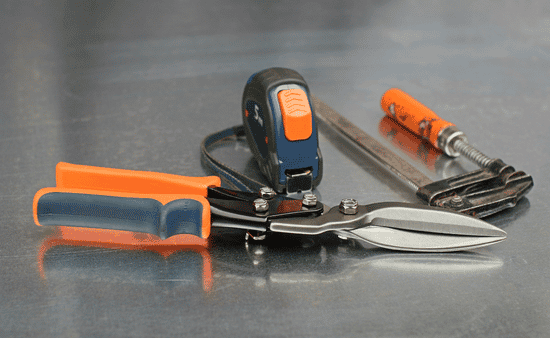
The ability to accurately cut raw stock is the first hurdle for any metalworker. Because metal is unforgiving, the tools used for separation must be robust and maintained with care.
1. The Angle Grinder
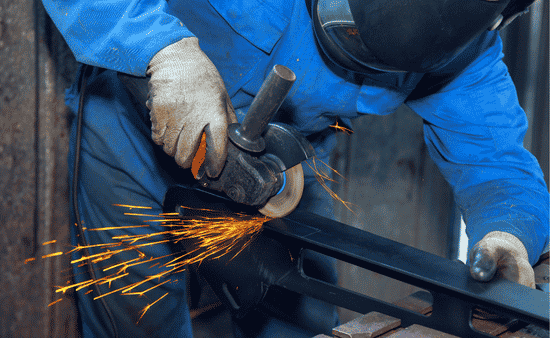
Often considered the most versatile tool in the shop, the angle grinder is indispensable. With the right disc, it can cut through thick bar stock, grind down unsightly welds, or polish a surface to a mirror finish. It is the workhorse of the metal shop, providing a portable solution for shaping and cleaning.
2. The Bench Vice
A metalworker is only as good as their ability to hold a workpiece steady. A heavy-duty bench vice is essential for safety and accuracy. It provides the necessary resistance for bending cold steel or holding a part in place during aggressive grinding. Look for a model with a rotating base and replaceable jaws to increase its utility.
3. Precision Measuring Instruments
In metalworking, a fraction of a millimeter can be the difference between a perfect fit and a failed project. A high-quality set of calipers and a steel machinist’s square are non-negotiable. Unlike wooden rulers, steel scales are resistant to the heat of the shop and provide the sharp edges needed for scribing lines directly onto the metal surface.
Joining and Assembly Equipment

Once pieces are cut and measured, they must be joined. This is where the chemistry of metalworking truly begins to shine.
4. The Entry-Level Welder
Welding is the primary method for fusing metal. For beginners, a Wire Feed or MIG welder is often the best starting point due to its relatively short learning curve. These machines allow for clean, strong joints on a variety of thicknesses. As skills progress, adding a TIG torch can provide the delicacy needed for thinner materials like aluminum.
5. Clamps and Fixtures
One can never have too many clamps. C-clamps, F-clamps, and magnetic squares are vital for holding parts in the correct orientation before the first tack weld is placed. Without proper fixturing, the heat of welding will cause the metal to warp and pull out of alignment.
Finishing and Advanced Processing
The final stages of a project involve refining the surface and preparing the metal for its environment. While manual tools are great for smaller tasks, certain projects require industrial precision.
6. Files and Deburring Tools
Every cut leaves a sharp, dangerous edge known as a burr. A set of high-quality steel files is necessary for smoothing these edges and fine-tuning the fit of a joint. These hand tools provide a level of control that power tools simply cannot match.
7. The Drill Press
While a hand drill can work in a pinch, a stationary drill press offers the torque and vertical accuracy required for boring through thick plate steel. It allows for the use of cutting fluids, which preserve the life of the drill bits and prevent the metal from overheating.
8. Heat Sources
A propane or oxy-acetylene torch is vital for heating metal to a workable state. Whether used for loosening a stubborn bolt or bending a thick rod into a curve, controlled heat is a fundamental element of the craft.
9. Safety Gear
Metalworking creates sparks, intense light, and fine dust. A professional auto-darkening welding helmet, heavy leather gloves, and a dedicated respirator are the most important investments in any toolbox. Protecting your vision and lungs ensures you can enjoy the craft for decades.
10. Modern Fabrication Access
Sometimes, a project exceeds the capabilities of a home shop, particularly when complex silhouettes or high volumes are required. In these instances, utilizing professional services such as laser cutting in Utah or other local fabrication hubs can provide a level of detail impossible to achieve by hand. Incorporating professionally cut parts into a handmade project often results in a superior final product.
Conclusion
Building an essential toolbox is an incremental process. By starting with these ten items, an aspiring metalworker gains the ability to manipulate one of the most durable materials on earth. Each tool teaches a new lesson in patience, physics, and precision. As your confidence grows, your shop will naturally expand, but these foundational pieces will remain the core of your creative output.