


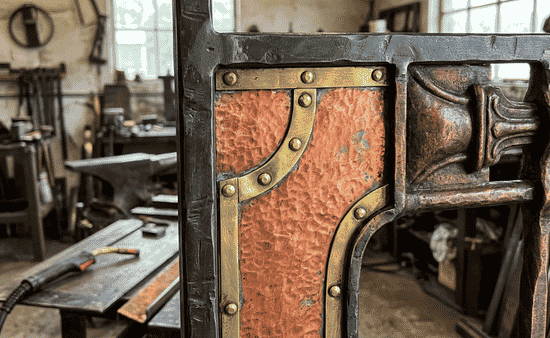
In the world of metal fabrication, steel often serves as the reliable, industrial backbone of structural projects. However, while steel provides strength and durability, it can sometimes lack the warmth and visual complexity required for high-end architectural pieces or decorative art.
To elevate a project from purely functional to aesthetically profound, many craftsmen turn to the non-ferrous trio: copper, brass, and bronze. These metals offer a rich palette of colors, ranging from fiery oranges to deep golden hues, providing a sophisticated contrast against cooler, darker metals.
The Vibrant Allure of Copper
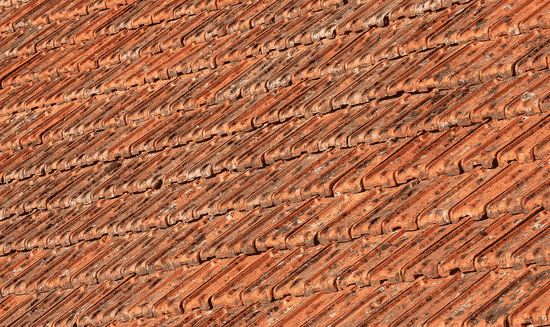
Copper is perhaps the most recognizable non-ferrous metal due to its distinct, reddish-pink luster. It is a soft, malleable material that is highly prized for its thermal and electrical conductivity, but in the realm of design, its primary value lies in its color and reactivity.
Working with Copper Highlights
In metalwork, copper is frequently used for accents such as rivets, inlay strips, or hand-hammered panels. Because it is softer than steel, it can be easily shaped with hand tools, allowing for intricate textures that catch the light. One of the most fascinating aspects of copper is its ability to change over time.
When exposed to the elements, it develops a patina that shifts from a bright penny-orange to a deep chocolate brown, and eventually to a vibrant sea-foam green known as verdigris. This living finish adds a sense of history and movement to a metalwork piece.
Brass: The Golden Standard for Detail
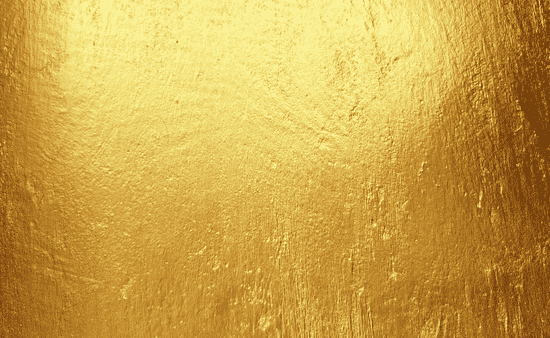
Brass is an alloy of copper and zinc, and it has been a staple in decorative metalwork for centuries. Depending on the zinc content, brass can mimic the appearance of gold, making it a popular choice for furniture hardware, musical instruments, and ornamental trim.
Achieving Contrast with Brass
The bright, yellow-gold tone of polished brass provides a striking visual break when paired with darkened steel or blackened iron. This contrast is a hallmark of industrial-chic design. Unlike copper, brass is significantly harder and more resistant to corrosion.
It machines beautifully, which makes it ideal for precision components that require both beauty and functionality. When left unlacquered, brass will tarnish to a muted, antique gold, offering a more understated elegance that complements natural wood and stone.
Bronze: The Depth of Ancient Strength
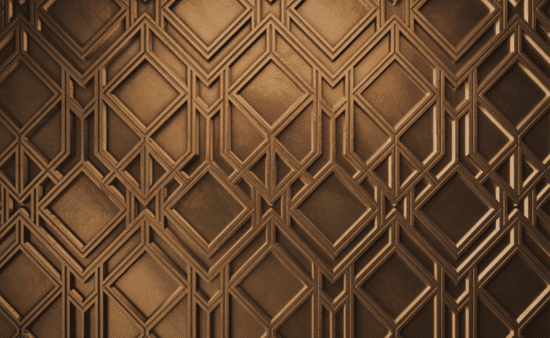
Bronze, primarily an alloy of copper and tin, carries a weight of history and prestige. It is generally darker and more “red-brown” than brass, offering a somber and powerful aesthetic. Bronze is exceptionally durable and has a lower melting point than steel, which is why it remains the preferred medium for casting sculptures and heavy architectural gates.
Texture and Patina in Bronze
Bronze is celebrated for its ability to hold fine detail during the casting process. In fabrication, bronze bar stock or sheet metal can be integrated into steel frames to create a multi-toned effect. The metal is highly receptive to chemical patinas, allowing craftsmen to achieve colors ranging from jet black and deep burgundy to “statuary” brown. These finishes provide a depth that paint simply cannot replicate, as the color appears to be part of the metal itself rather than a coating sitting on top.
Integrating Color with Steel Foundations
While the beauty of non-ferrous metals is undeniable, they are often too expensive or too soft to be used for the entire structure of a large project. Steel buildings often rely on this balanced approach, where steel forms the main structural frame for strength and durability, while non-ferrous metals are used as the “jewelry” to add color, detail, and visual contrast.
Maintaining the balance between these materials requires careful consideration of finishing techniques. For example, if a project features a large steel frame with intricate brass inserts, the steel must be protected from rust without overshadowing the brass highlights. Many fabricators choose professional finishing services for the structural components to ensure longevity.
Those interested in a durable, sleek finish for their primary structures might look into the benefits of powder coating steel in Utah or other mountainous regions where snow and salt can be particularly corrosive. This process provides a clean, uniform backdrop that allows the natural warmth of copper or bronze accents to truly stand out.
Protective Finishes and Maintenance
Non-ferrous metals are prized for their aging process, but sometimes a specific color must be preserved. To keep copper or brass from tarnishing, a clear lacquer or wax coating must be applied. Conversely, if the goal is to achieve an aged look quickly, various chemical oxidizers can be used to “force” a patina in minutes rather than years. Understanding the chemistry of these metals is just as important as knowing how to weld or cut them.
Conclusion
Copper, brass, and bronze are more than just raw materials; they are the colors on a metalworker’s palette. By incorporating these non-ferrous alloys into steel projects, craftsmen can create works that feel warm, luxurious, and timeless. Whether through a small brass detail on a table or a large bronze panel on a gate, the contrast of these metals elevates the craft, proving that metalwork can be as much about beauty as it is about strength.