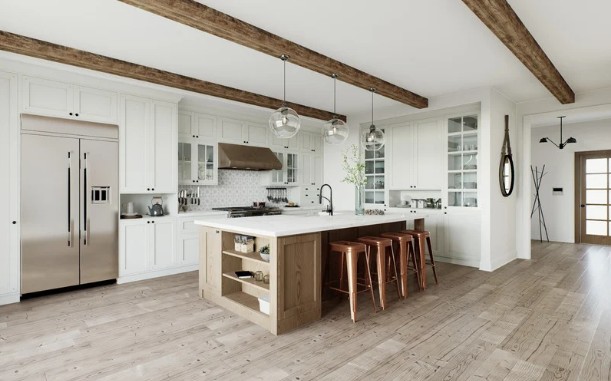



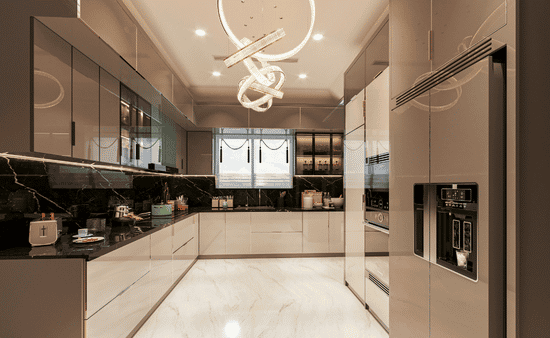
The kitchen is the undisputed heart of the modern home. It is where breakfast is rushed, homework is completed, midnight snacks are prepared, and family meetings take place. Designing a kitchen that can handle this constant flurry of activity while remaining a welcoming and organized space is a common challenge for many parents.
Zoned for Success: Creating Functional Areas
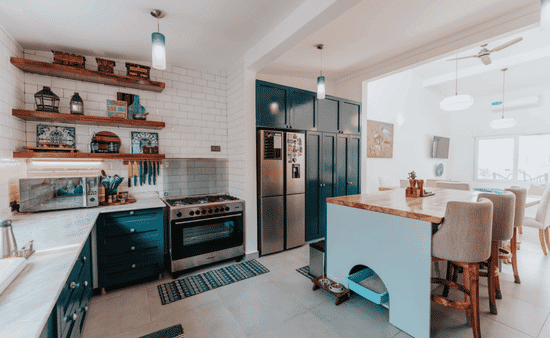
The traditional “work triangle” (the path between the stove, sink, and refrigerator) is a good starting point, but a true family kitchen needs more. Breaking your kitchen down into specific work zones helps prevent traffic jams, especially when multiple people are using the space at once.
The Prep and Cooking Zone
This area should be centered around the stove and main sink. Keep cutting boards, knives, and pots easily accessible. If you have the space, consider adding a secondary prep sink on the island so one person can chop vegetables while another handles the stove.
The Snack and Beverage Station
Kids are constantly on the hunt for food. By creating a dedicated snack zone on the periphery of the kitchen, you can keep them out of your main cooking area. Dedicate a lower cabinet or drawer for healthy, approved snacks. Add a mini-fridge for water and juice boxes, and keep cups in a low, easy-to-reach drawer.
The Homework and Command Center
A kitchen island or a small built-in desk makes a great spot for kids to tackle their homework while you prepare dinner. Ensure this zone has plenty of outlets for charging laptops and tablets. Add a small drawer to stash pens, paper, and school notices to keep the countertops clear of clutter.
Storage Solutions for Every Need
A family kitchen requires a massive amount of storage, but it also needs to be smart storage. When everything has a designated place, the kitchen is much easier to keep clean.
Reachable Storage for Kids
Encourage independence by storing kids’ plates, cups, and bowls in lower drawers rather than upper cabinets. This simple change allows young children to set the table themselves and grab a drink without needing to ask for help.
Hidden Appliances
Appliance garages or deep pantry cabinets can hide away the toaster, blender, and coffee maker. Keeping these everyday items off the counter instantly makes the kitchen look cleaner and provides you with more usable workspace.
Maximizing Pantry Space
If you have the square footage, a walk-in pantry is a game-changer for a family. Use adjustable shelving to accommodate everything from tall cereal boxes to bulky paper towels. Clear storage bins make it easy to see exactly what you have in stock, preventing you from overbuying at the grocery store.
Durable and Easy-to-Clean Materials
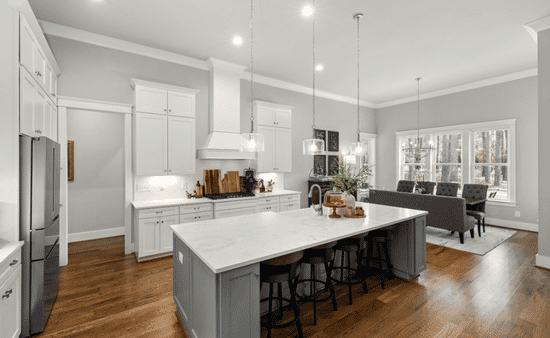
When you have a family, your kitchen surfaces are going to take a beating. From spilled grape juice to dropped heavy pots, your materials need to be tough.
Resilient Countertops
Quartz is an incredibly popular choice for family kitchens because it is non-porous, meaning it resists stains and does not require sealing. If you want something even more durable, porcelain countertops in Utah are highly resistant to heat, scratching, and UV light, making them a fantastic, low-maintenance option for busy households.
Washable Paint and Finishes
Choose an eggshell or satin finish for your kitchen walls. These finishes are much easier to wipe down than flat paint, allowing you to quickly clean up food splatters and fingerprints. For cabinetry, consider a factory-applied finish or a high-quality polyurethane topcoat to protect the wood from dings and scratches.
Forgiving Flooring
Hardwood is beautiful but can dent easily. Luxury vinyl plank (LVP) offers the look of wood but is highly water-resistant and much more forgiving if a glass is dropped. Tile is highly durable but can be hard on your feet and back after long periods of cooking. If you choose tile, add a gel mat in front of the sink and stove.
Safety First: Kid-Friendly Features
Safety should always be a top priority when designing a space where hot surfaces and sharp objects are standard.
Smart Appliance Placement
Consider installing a wall oven instead of a traditional range. Wall ovens can be placed higher up, keeping the hot glass door out of reach of curious toddlers. Induction cooktops are another excellent safety upgrade; they use magnetic fields to heat the pan directly, meaning the glass surface itself remains relatively cool to the touch.
Soft-Close Everything
Soft-close hinges on cabinets and drawers are a small investment that yields big returns. They prevent little fingers from getting pinched and eliminate the sound of slamming doors, bringing a little more peace to your home.
Rounded Edges
Sharp, squared-off countertop edges are right at eye level for many young children. Opt for a rounded or bullnose edge profile for your kitchen island and perimeter counters to prevent serious bumps and bruises.
Lighting and Ambiance
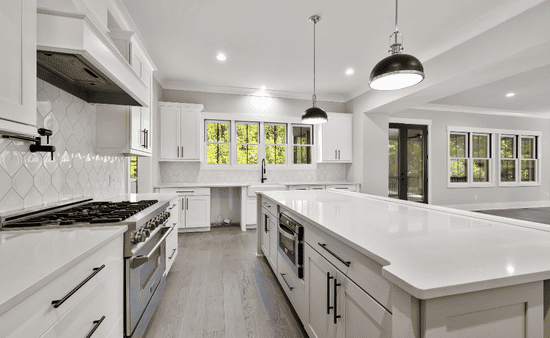
Proper lighting transforms a kitchen from a purely utilitarian room into a warm and inviting living space. A family kitchen needs a layered lighting approach.
Task Lighting
Under-cabinet lighting is essential for illuminating your prep zones. It eliminates shadows cast by your body and the upper cabinets, making it much safer to chop food and read recipes.
Ambient and Accent Lighting
Pendant lights over the island add character and provide necessary illumination for homework or casual meals. Install dimmer switches on all your main lighting fixtures. This allows you to crank up the brightness while cooking and then lower it for a softer, more relaxing ambiance during dinner.
The Family Hub: Incorporating Seating and Gathering Spaces
The kitchen is where everyone naturally gathers. Designing comfortable seating ensures your family will actually want to spend time there.
The Mighty Kitchen Island
An island with seating is the quintessential family kitchen feature. Ensure there is enough overhang (typically 12 to 15 inches) so people can sit comfortably without knocking their knees against the cabinets. Choose backless stools if you want to tuck them completely out of the way, or stools with backs if your family will be sitting for longer periods.
Banquette Seating
If you have a corner to spare, built-in banquette seating is incredibly space-efficient and cozy. Kids love sliding into a booth, and you can build storage into the benches to hide away seasonal items or bulky kitchen gadgets.
Conclusion
A great family kitchen adapts to your needs over time. The drawer for sippy cups will eventually hold sports bottles, and the homework station might become a bill-paying spot. By focusing on durable materials, flexible storage, and smart zoning, you’re creating a resilient, welcoming environment that will support your family’s daily life for years to come.