





Hitting the open road offers a sense of freedom that few other travel methods can match. Planning the perfect route, curating a massive playlist, and packing plenty of snacks are usually the first steps that come to mind when preparing for a long drive. Yet, the most critical component of a successful road trip is the machine actually getting you to your destination.
Pre-Trip Car Inspection Checklist
A thorough inspection a week or two before your departure gives you enough time to fix any problems. If you are uncomfortable performing these checks yourself, schedule an appointment with a trusted mechanic.
Tires: Your Connection to the Road
Your tires endure the most direct wear and tear of any car part. Begin by checking the tire pressure using a reliable gauge, ensuring the numbers match the recommendations found inside the driver’s side door jamb. Proper inflation improves fuel economy and prevents blowouts.
Next, examine the tire tread depth to ensure you have enough grip for wet or slippery roads. You should also check for uneven wear patterns, which often indicate that your car needs a professional wheel alignment.
Fluids: The Lifeblood of Your Engine
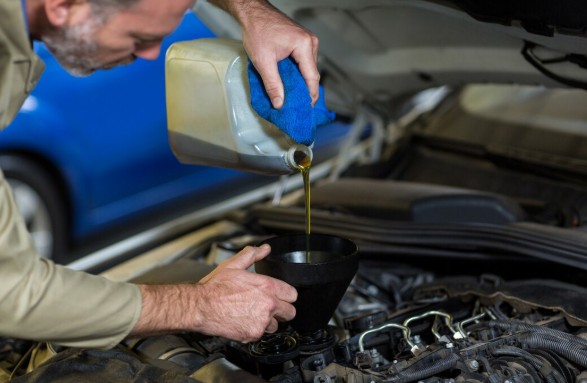
An engine requires various fluids to operate smoothly under the strain of long-distance travel. Check your motor oil level and condition; if it looks dark and gritty, or if you are nearing your next scheduled service, get an oil change.
Inspect the engine coolant reservoir to ensure the system is ready to regulate the engine’s temperature during long hours of operation. Do not forget to check the brake fluid and top off your windshield washer fluid to maintain clear visibility through buggy or dusty regions.
Brakes: Crucial Stopping Power
Highway driving requires highly responsive brakes. Listen for any squeaking or grinding noises when you press the pedal, as these sounds point to severely worn brake pads. If you feel a vibration or pulsation in the steering wheel while braking, your rotors might be warped. Have a professional inspect the brake system if you notice any of these warning signs.
Battery: Reliable Starts
A dead battery is a quick way to stall your travel plans. Open the hood and inspect the battery terminals for fuzzy, white corrosion. You can clean this buildup off using a wire brush and a mixture of baking soda and water. If your battery is more than three years old, have its charge professionally tested so you know it can handle the electrical demands of your trip.
Lights and Wipers: Visibility and Communication
Ask a friend to walk around the vehicle while you test the headlights, taillights, turn signals, and brake lights. Replacing a burnt-out bulb is usually a quick and inexpensive fix that greatly improves your safety. Also, inspect your windshield wipers. If the rubber blades are cracked or leave streaks across the glass, replace them immediately.
During the Drive: Best Practices for Car Longevity
Your driving habits directly impact how well your car holds up over a long distance.
Driving Habits for a Smooth Ride
Aggressive driving forces the engine, transmission, and brakes to work harder than necessary. Practice smooth acceleration and gentle braking to reduce mechanical strain and improve your fuel efficiency. You should also avoid overloading the vehicle beyond its recommended weight capacity.
A heavily loaded car sags closer to the road, altering the steering dynamics and putting dangerous stress on the suspension system.
Monitoring Gauges and Alerts
Keep a close eye on your dashboard cluster. The temperature gauge should remain near the middle; if it starts creeping into the red zone, pull over safely to let the engine cool down. Pay attention to the oil pressure gauge and any warning lights that pop up. A check engine light or a sudden drop in oil pressure requires immediate attention to prevent catastrophic engine failure.
Breaks: Rest for the Car and Driver

Stopping every few hours is beneficial for both your mental alertness and your car’s mechanical components. Giving the engine, transmission, and tires a brief period to cool down helps prevent overheating. Use these stops to stretch your legs, hydrate, and do a quick visual walk-around of the vehicle to check for low tires or fluid leaks.
Taking regular breaks not only protects your car but also helps you stay mentally refreshed, and even exploring relaxing nature hobbies to unwind can make your stops more enjoyable and reduce travel fatigue.
Post-Trip Car Care
The trip does not officially end when you pull into your driveway. Post-trip maintenance ensures your vehicle recovers from the heavy usage and is ready for daily commuting.
Cleaning the Interior and Exterior
Long road trips invite a lot of dirt, bugs, and spilled snacks into and onto your car. Wash the exterior thoroughly to remove bug splatter and bird droppings, which contain acids that permanently damage car paint if left unattended. Vacuum the interior to prevent crumbs from attracting pests, and wipe down the dashboard to remove accumulated dust.
Re-checking Fluid Levels
Your car may have consumed more fluids than usual during the extended drive. Pop the hood the morning after you return, while the engine is completely cool. Check the oil and coolant levels once more to ensure everything remains within the safe operating range.
Listen for Changes in Performance
Pay attention to how the car feels and sounds during your first few regular commutes. If you notice new rattling noises, a pull in the steering wheel, or sluggish acceleration, the long drive may have exacerbated a minor issue. Address these concerns promptly before they develop into expensive repairs.
Emergency Preparedness
Even with meticulous preparation, unpredictable events happen. Being ready for an emergency turns a potential disaster into a minor inconvenience.
Packing an Emergency Kit
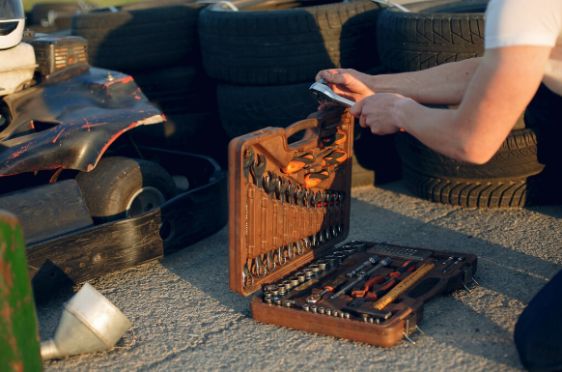
Every vehicle should carry a well-stocked emergency kit. Include jumper cables, a basic tool set, a flashlight with extra batteries, and reflective warning triangles or flares. You also need a comprehensive first-aid kit, extra blankets, and a supply of bottled water. Finally, verify that your spare tire is properly inflated and that your jack and lug wrench are easily accessible.
Arranging Roadside Assistance
Always travel with active roadside assistance coverage. Whether it’s through your insurance provider, a credit card benefit, or a dedicated auto club, understand your policy limits. Save the contact information in your phone and keep a written copy in the glovebox. It’s also wise to research local services along your route.
For example, if you break down in Michigan, knowing how to contact a trustworthy towing company in Ann Arbor can save you hours of stress.
Conclusion
Diligent vehicle maintenance is the foundation of a safe, stress-free road trip. By thoroughly inspecting your car before leaving, adopting mindful driving habits along the way, and cleaning up afterward, you protect your automotive investment and your passengers. A well-maintained car gives you the peace of mind to simply enjoy the scenery and the company.