



Understanding the Science Behind Fluoride’s Protective Properties
For decades, fluoride has been heralded as one of dentistry’s greatest allies in the fight against tooth decay, yet few people truly understand the remarkable molecular mechanisms that make this naturally occurring mineral so effective. Whilst most individuals are aware that fluoride strengthens teeth, the intricate chemical processes occurring within dental enamel remain largely mysterious to the general public.
A dentist Magherafelt recognises that the science behind fluoride’s protective action is both elegant and fascinating, involving a sophisticated interplay of ions, crystal structures, and chemical bonds that fundamentally transform the composition of tooth enamel.
At its core, the story of fluoride’s effectiveness begins with understanding what teeth are actually made of at a molecular level. Dental professionals recognise that tooth enamel consists primarily of a crystalline structure called hydroxyapatite, which comprises calcium and phosphate ions arranged in a specific lattice pattern. This mineral matrix gives teeth their characteristic hardness and durability, yet it remains vulnerable to acid attacks from bacteria and dietary sources.
The Molecular Structure of Tooth Enamel
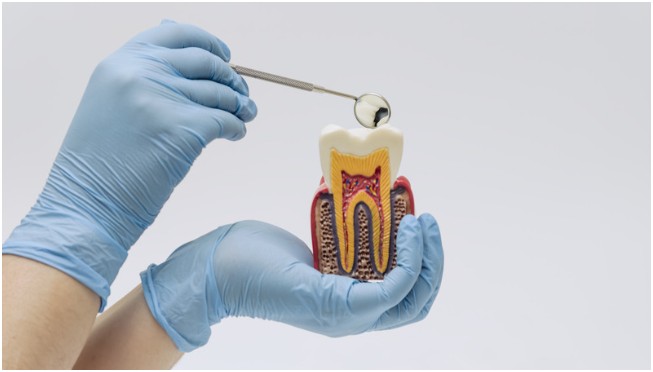
To appreciate fluoride’s role, one must first examine the composition of hydroxyapatite crystals that form the foundation of tooth enamel. These crystals possess a chemical formula of Ca₁₀(PO₄)₆(OH)₂, featuring hydroxyl groups that occupy specific positions within the crystal lattice.
The arrangement of these molecules creates a structure that is remarkably strong, yet the hydroxyl groups represent a potential weakness. When acids produced by oral bacteria come into contact with enamel, they target these hydroxyl groups, leading to demineralisation and eventual cavity formation.
The Fluoride Exchange Process

Ion Substitution at the Molecular Level
When fluoride ions enter the oral environment through toothpaste, drinking water, or professional treatments, they initiate a remarkable transformation within the enamel structure.
The fluoride ions, being smaller and more electronegative than hydroxyl groups, can substitute themselves into the hydroxyapatite crystal lattice through a process of ionic exchange. This substitution converts hydroxyapatite into fluorapatite, a modified crystal structure with the formula Ca₁₀(PO₄)₆F₂.
Enhanced Acid Resistance Through Structural Modification
The transformation from hydroxyapatite to fluorapatite represents far more than a simple chemical substitution. Fluorapatite crystals exhibit significantly greater resistance to acid dissolution compared to their hydroxyl-containing counterparts.
This enhanced stability occurs because fluoride ions form stronger bonds with calcium ions in the crystal lattice, creating a more tightly packed and chemically stable structure. The fluoride-calcium bond possesses a higher dissociation energy, meaning that acids must work considerably harder to break apart the modified enamel structure.
Remineralisation and Continuous Protection
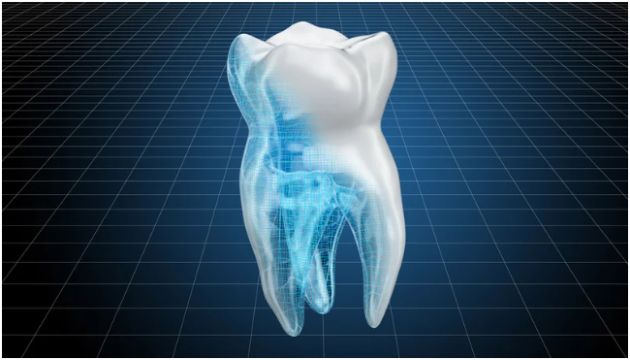
Beyond simply strengthening existing enamel, fluoride plays a crucial role in the remineralisation process. When early-stage demineralisation occurs, fluoride ions present in saliva can facilitate the redeposition of calcium and phosphate ions back onto the tooth surface.
During this repair process, fluoride preferentially incorporates itself into the newly formed crystal structure, creating patches of fluorapatite that are more resistant to future acid attacks. Research has demonstrated the significant impact of fluoride on remineralisation dynamics, showing that even low concentrations can dramatically shift the balance from demineralisation towards repair.
This dynamic process means that fluoride does not merely provide a one-time protective coating but rather engages in ongoing molecular exchanges throughout one’s lifetime to move forward with confidence in life. Each exposure to fluoride through brushing, rinsing, or professional application provides fresh opportunities for ionic substitution and enamel reinforcement.
The Clinical Significance of Molecular Understanding
Understanding fluoride’s molecular mechanisms allows dental professionals to optimise treatment protocols and preventive strategies. Modern dentistry recognises that maintaining consistent, low-level fluoride exposure proves more effective than sporadic high-dose applications. This knowledge has informed recommendations regarding fluoride toothpaste usage, water fluoridation levels, and professional treatment schedules.
The Remarkable Chemistry of Dental Protection
The molecular action of fluoride represents one of preventive dentistry’s most elegant solutions, transforming vulnerable tooth enamel into a more resilient structure through simple ionic substitution. This understanding underscores why dental professionals consistently recommend fluoride as a cornerstone of oral health maintenance.
Whether through daily brushing or professional treatments at your dental practice, the molecular transformation facilitated by fluoride continues to protect millions of smiles to stay motivated through its remarkable chemistry, demonstrating how fundamental scientific principles translate into tangible health benefits.