



Both microneedling and microchanneling fall under the umbrella of collagen induction therapy, procedures designed to revitalize the skin by triggering the body’s natural healing process. This response leads to increased production of collagen and elastin, essential proteins for a smooth, healthy complexion. While the goal for both is the same—to improve texture, reduce fine lines, and address issues like acne scars—the methods and recovery experiences are distinctly different.
Understanding Microneedling
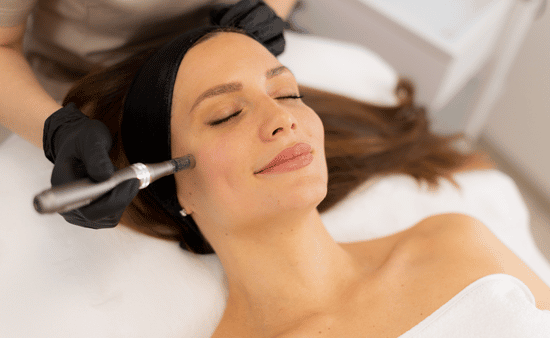
Microneedling is a procedure that uses a specialized device containing tiny needles to create controlled micro-injuries across the skin’s surface. The depth of these punctures can be precisely adjusted by a professional, allowing for intensive treatment tailored to specific textural issues or thicker skin areas.
This gliding technique targets deeper dermal layers, stimulating significant collagen remodeling. Microneedling is frequently used to treat uneven skin texture, reduce fine lines and wrinkles, and diminish the appearance of shallow pitted acne scars. Results typically become noticeable in the four to six weeks following treatment.
The Mechanism of Microchanneling
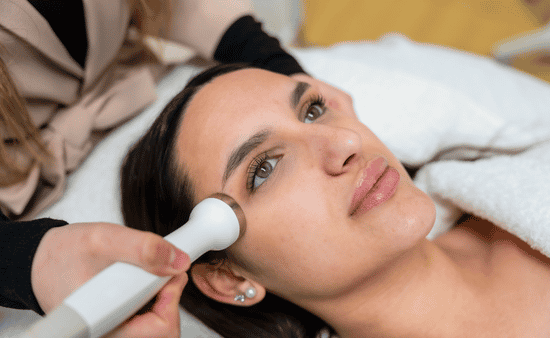
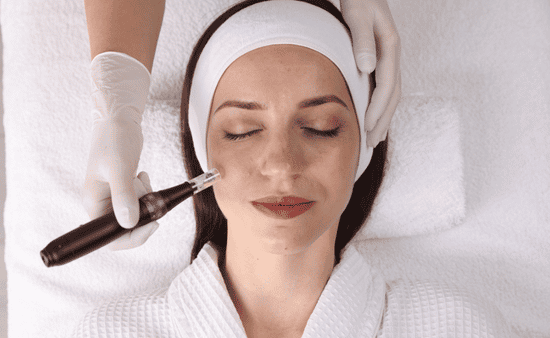
Microchanneling utilizes a different approach, employing a stamping method to create thousands of uniform microchannels in the skin. This linear stamping technique minimizes potential microscopic tears or dragging that can sometimes occur with traditional needling devices. Because the microchannels are uniform and precisely formed, they allow for excellent absorption of topical serums containing active ingredients, enhancing the effectiveness of the treatment.
This method stimulates cell regeneration and collagen production, resulting in smoother and more refined skin. Microchanneling is effective for addressing mild texture changes, minimizing pore size, improving hyperpigmentation, and reducing the appearance of wrinkles and fine lines.
Procedure Differences and Comfort Level
The fundamental difference between the two lies in the technique. Microneedling often involves a more abrasive, gliding motion, and can be more intense, especially when deeper depths are required to treat conditions like visible textural roughness.
For comfort during microneedling, a numbing cream is typically necessary. In contrast, microchanneling is generally considered less invasive and more comfortable, feeling like a quick, tolerable stamping sensation. The linear stamping technique ensures consistent depth without the tearing risk associated with irregular, angled channels created by some needling devices.
Downtime and Recovery Time

Healing time varies significantly between the two procedures. Due to the minimal damage caused by the precise channels, microchanneling typically offers a faster recovery. Redness, if present, usually subsides within a day or two. This makes it an excellent choice for individuals seeking a quick refreshed look with minimal interruption to their routine.
Microneedling, particularly when performed at greater depths, can involve more extensive downtime, with mild pinkness and swelling lasting anywhere from one to three days, sometimes followed by light flaking later in the week. Consistent and gentle aftercare is crucial for both to ensure healthy healing. A thorough consultation with a professional offering a variety of advanced skin rejuvenation treatments is an essential step toward achieving the best outcome.
Candidacy and Safety Considerations
While both are safe options for many individuals, certain conditions may affect candidacy. For instance, microchanneling is often suitable for all skin types, including sensitive skin, because of its controlled, uniform approach. Conversely, microneedling may be favored for thicker skin that requires more aggressive remodeling. Regardless of the procedure chosen, certain contraindications exist.
Individuals with active radiation or chemotherapy, chronic inflammatory skin diseases like eczema or psoriasis, active skin infections, or uncontrolled diabetes are generally advised to avoid these treatments. Additionally, those with bleeding disorders or a recent history of using specific oral acne medications within the last two years should exercise caution and seek professional guidance.
If you are considering cosmetic skin treatments, finding a qualified professional who can assess your specific needs, even for basic microneedling in Utah, is paramount to a safe and effective experience.
Choosing the Right Path for You
The choice between microneedling and microchanneling depends on your specific skin concerns, tolerance for downtime, and desired results. Microchanneling is generally preferred for product delivery and a quicker refresh, while microneedling provides adjustable intensity for more targeted textural improvements. Consulting a licensed professional to develop a customized plan is the best way to determine the ideal course of treatment.