


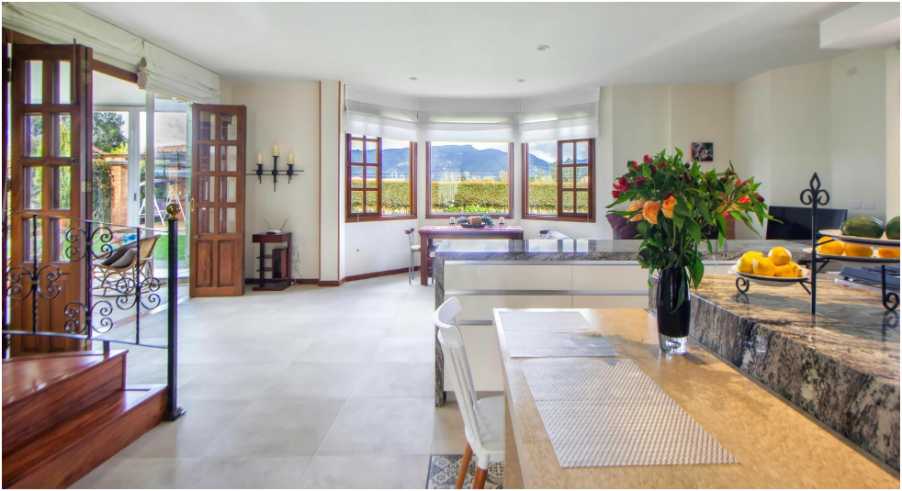
A well-designed room does more than just look aesthetically pleasing. The spaces we inhabit shape our daily moods, influence our stress levels, and dictate our overall comfort. As we spend a significant portion of our time inside, finding ways to reconnect with the natural world has become a fundamental aspect of modern interior design.
Maximizing Natural Light for an Open Atmosphere
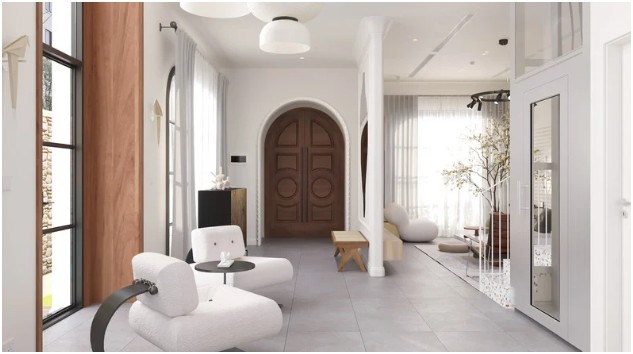
Natural light is the absolute foundation of an airy interior. Sunlight instantly opens up a room, making small spaces feel larger and highlighting the natural textures of your decor.
Start by evaluating your window treatments. Heavy, dark drapes block precious sunlight and can make a room feel enclosed. Swap them out for sheer fabrics or lightweight cotton curtains that allow sunlight to filter through gently while still offering privacy. If privacy is not a concern, consider leaving windows completely bare to maximize the light intake.
Mirrors are another highly effective tool for amplifying natural light. Placing a large mirror directly opposite a window reflects the sunlight into the room, instantly doubling the brightness. Keep window sills clear of tall, bulky items that might cast shadows, and opt for low-profile furniture near natural light sources so the sunshine can reach deep into the space for nature lovers to unwind and reconnect with nature with indoor freshness.
Integrating Indoor Plants for Better Air and Aesthetics
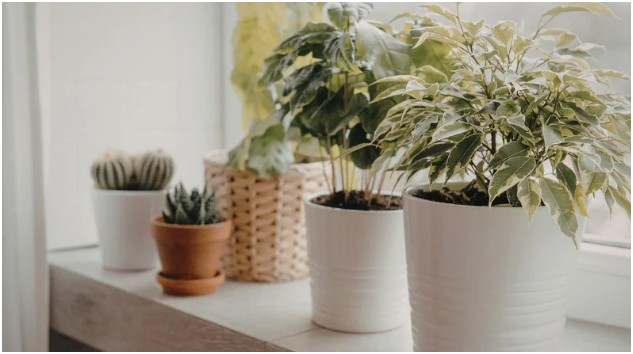
Nothing brings a space to life quite like living greenery. Indoor plants provide a direct visual connection to the natural world while actively improving the environment around you. Through photosynthesis, plants absorb carbon dioxide and release oxygen, helping to purify the indoor air and create a fresher atmosphere.
To get the most out of your indoor garden, vary the scale and placement of your plants. Tall, leafy varieties like fiddle leaf figs or birds of paradise draw the eye upward and add architectural interest to empty corners. Trailing plants like pothos or string of pearls look beautiful cascading from high shelves or hanging planters.
For those who lack a green thumb, there are plenty of low-maintenance options. Snake plants and ZZ plants thrive on neglect and require very little sunlight, making them perfect for bathrooms or dimly lit hallways. Grouping plants with varying leaf shapes and shades of green adds depth and mimics the organic growth patterns found in nature.
Grounding Your Space with Natural Materials
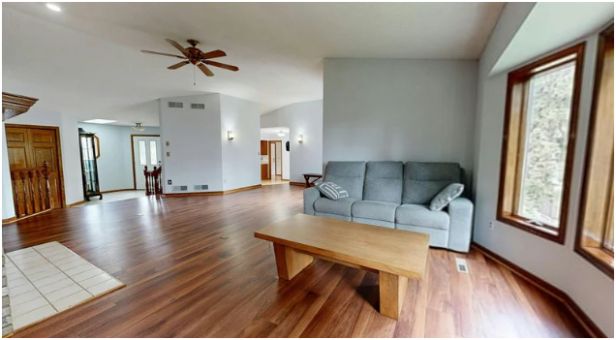
Visuals are only one part of the equation. The tactile experience of a room is equally important when attempting to bring the outdoors inside. Synthetic materials often feel cold and sterile. In contrast, natural materials provide warmth, texture, and a sense of grounding.
Wood is incredibly versatile and instantly warms up a room. Lighter woods like ash, birch, or pale oak contribute to a breezy, Scandinavian-inspired look, while deeper woods bring rustic charm. Incorporate wood through flooring, large furniture pieces, or smaller accents like floating shelves and decorative bowls.
Stone is another excellent natural element to introduce. A marble countertop, a slate fireplace hearth, or even a simple terracotta vase adds earthy texture and permanence to a room. Soften these hard surfaces with organic textiles. Linen slipcovers, chunky wool throw blankets, and jute rugs invite touch and make the space feel incredibly comfortable and lived-in.
Choosing an Outdoor-Inspired Color Palette
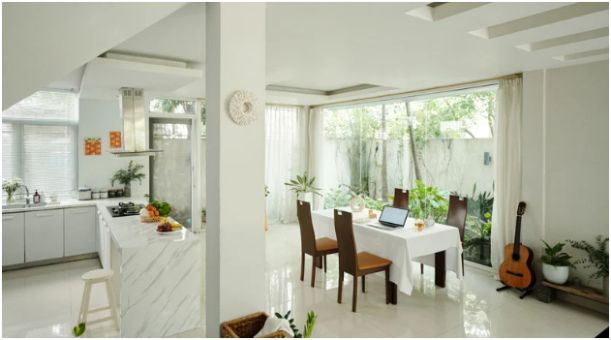
Color profoundly impacts the psychological feel of a room. To make your interior feel fresh and airy, look directly out your window for inspiration.
Start with a base of soft, warm neutrals. Crisp whites, gentle creams, and soft sandy beiges reflect light beautifully and create a blank canvas that feels expansive. From there, layer in the colors of the natural landscape. Soft sage greens, muted clay tones, and pale sky blues infuse a room with a serene, outdoor vibe without overwhelming the senses.
Art and accessories offer the perfect opportunity to introduce these colors. A large piece of tropical Key West art, for example, can introduce vibrant greens and ocean blues into a neutral living room, serving as a striking focal point that constantly reminds you of a breezy coastal environment. Keep the color distribution balanced so the room remains tranquil and cohesive.
Blending Indoor and Outdoor Living Areas
The ultimate expression of biophilic design is a seamless transition between the inside of your home and your exterior living spaces. When the boundary between the two dissolves, your living area feels significantly larger and more connected to the earth.
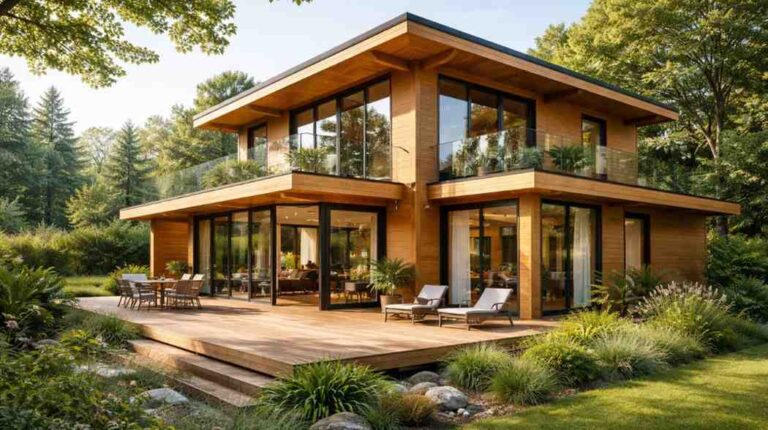
If you have a patio, balcony, or deck, treat it as an extension of your adjacent indoor room. Create visual continuity by matching the color palette and design style of your outdoor furniture with your indoor decor. Using visually similar flooring—such as indoor wood planks that closely match the color of your outdoor decking—draws the eye outward and erases the hard line at the doorway.
Keep the pathway to the outdoors unobstructed. Arrange your indoor seating to face the windows or doors leading outside, encouraging a natural flow of movement and sightlines. Sliding glass doors or French doors can be left wide open during pleasant weather, allowing fresh breezes and natural soundscapes to drift through your home.
Conclusion
Bringing nature indoors is about creating a space that supports your physical and mental well-being. By prioritizing natural light, adding purposeful greenery, embracing organic materials, and harmonizing your color palette, you can build a home that feels like a breath of fresh air.