




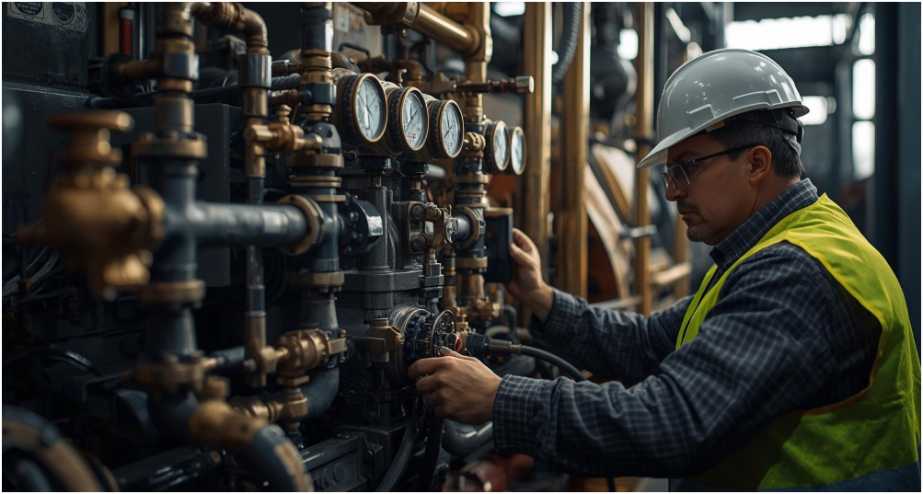
Equipment downtime directly impacts your bottom line. Hydraulic systems do the heavy lifting for manufacturing, construction, and agricultural machinery. When these systems fail, production grinds to a halt. Recognizing the early warning signs of hydraulic failure allows you to diagnose and resolve issues before they lead to expensive repairs.
Identifying Common Hydraulic System Issues
Hydraulic systems usually provide clear signals when something goes wrong. Paying attention to these symptoms helps you catch minor faults before they cause catastrophic component failure. If you’re unsure about a symptom, consulting a specialist in hydraulic machinery repair in Utah can save you time and money.
Overheating Fluid
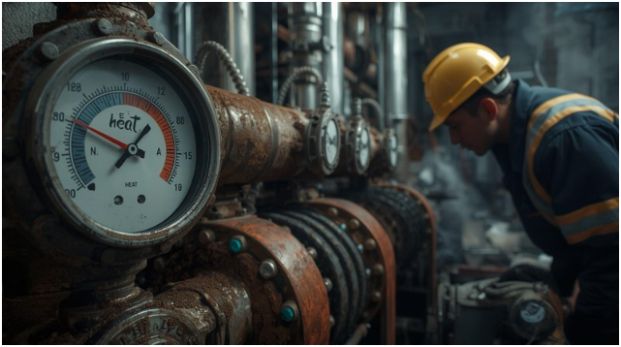
Hydraulic systems operate best within a specific temperature range, typically between 110°F and 130°F. If the fluid temperature climbs above 180°F, the oil begins to degrade quickly. High heat destroys seals, reduces lubrication, and damages internal components. Overheating usually happens due to a drop in fluid volume, a clogged heat exchanger, or a malfunctioning pressure relief valve. Always monitor your system’s temperature gauges during operation.
Unusual and Loud Noises
A healthy hydraulic pump makes a consistent, low-level humming sound. If you hear loud whining, banging, or knocking, you need to shut down the machinery immediately. A high-pitched whine often indicates cavitation. Cavitation occurs when air bubbles form in the hydraulic fluid and collapse under pressure, tearing away bits of metal from the pump interior. Banging noises usually point to mechanical wear or loose internal mountings.
Slow or Sluggish Operation
Hydraulic system speed depends entirely on fluid flow. If your machinery actuators are moving more slowly than usual, your system is experiencing a loss of flow. This drop in performance often results from internal fluid leaks, worn-out pumps, or partially blocked filters. Operators should note cycle times when the machine is brand new. Comparing current cycle times against baseline measurements helps you quickly identify sluggish behavior.
Step-by-Step Troubleshooting Guide
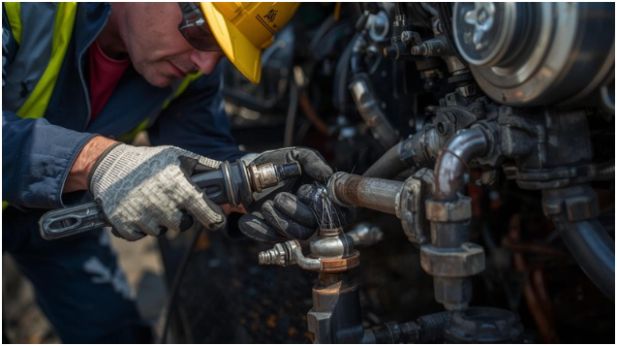
Once you identify a symptom, you need to find the root cause. Fluid issues account for the vast majority of hydraulic system failures. Here is how to address the most frequent fluid-related problems.
Fixing Fluid Leaks
External leaks are easy to spot and create safety hazards. They also allow dirt and moisture to enter the system.
- Clean the area: Wipe down the suspected leak site with a degreaser and a clean rag.
- Run the system: Operate the machinery under normal pressure to see exactly where the fluid escapes.
- Inspect fittings and hoses: Check for loose connections, cracked hoses, or blown O-rings.
- Tighten or replace: Use a wrench to tighten loose fittings to the manufacturer’s specified torque. If a hose or seal is damaged, depressurize the system completely and install a replacement part.
Addressing Contaminated Oil
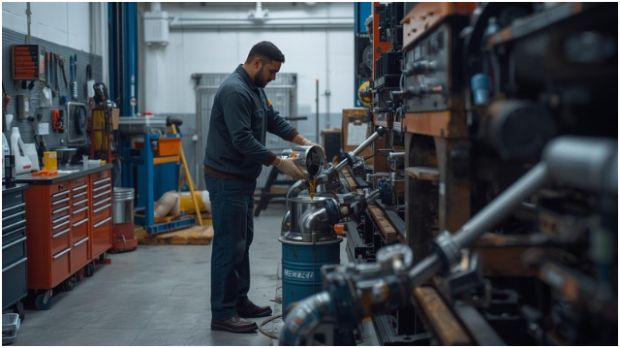
Contamination is the leading cause of hydraulic component failure. Water, dirt, the essential toolbox, and metal shavings ruin hydraulic fluid.
- Check fluid appearance: Pull a fluid sample. Healthy hydraulic oil looks clear and amber. Milky fluid contains water. Dark, foul-smelling oil has overheated or contains heavy particulate contamination.
- Drain the system: If the oil is contaminated, drain the reservoir completely.
- Flush the lines: Run a flushing fluid through the system to remove residual sludge and metal particles.
- Replace filters: Remove the old hydraulic filters and install brand-new ones.
- Refill the reservoir: Fill the system with fresh, high-quality hydraulic oil that matches the manufacturer’s exact specifications.
Preventative Maintenance Tips
Stopping problems before they start is the most effective troubleshooting method. A strict maintenance schedule extends the life of your hydraulic components significantly.
Check your fluid levels daily before starting the machinery. Low fluid causes the pump to draw in air, leading to cavitation and overheating. Keep the area around the reservoir breather cap clean to prevent dirt from falling in during inspections.
Schedule regular filter replacements based on operating hours rather than waiting for a pressure drop. Oil analysis programs offer incredible value for large-scale operations like steel buildings in modern constructions. Sending a fluid sample to a lab every few months tells you exactly what contaminants are entering your system and alerts you to hidden mechanical wear.
Inspect all hoses and steel lines weekly. Look for abrasive wear on the hose covers. Catching a ruptured hose before it bursts saves you from a massive clean-up and unexpected downtime.
Conclusion
While you can handle basic leaks, filter changes, and fluid top-ups yourself, some hydraulic problems need a specialist. Issues like sudden, severe pressure loss might indicate a more serious internal problem, such as a pump failure or a cracked directional control valve, which requires advanced training and specialized equipment to fix.